A Guide to Water Damage Services: How to Safeguard Your Property
Water damage presents considerable threats to properties, necessitating a clear understanding of related services. Many homeowners tend to ignore the typical causes and warning signs of damage, which can lead to costly repairs. Swift and knowledgeable responses are necessary. Engaging professionals can provide thorough assessments and effective remediation. However, many property owners remain unaware of the full extent of preventive measures available. Exploring these aspects can reveal vital strategies for safeguarding your investment against unforeseen water-related issues.
Recognizing Common Causes of Water Damage
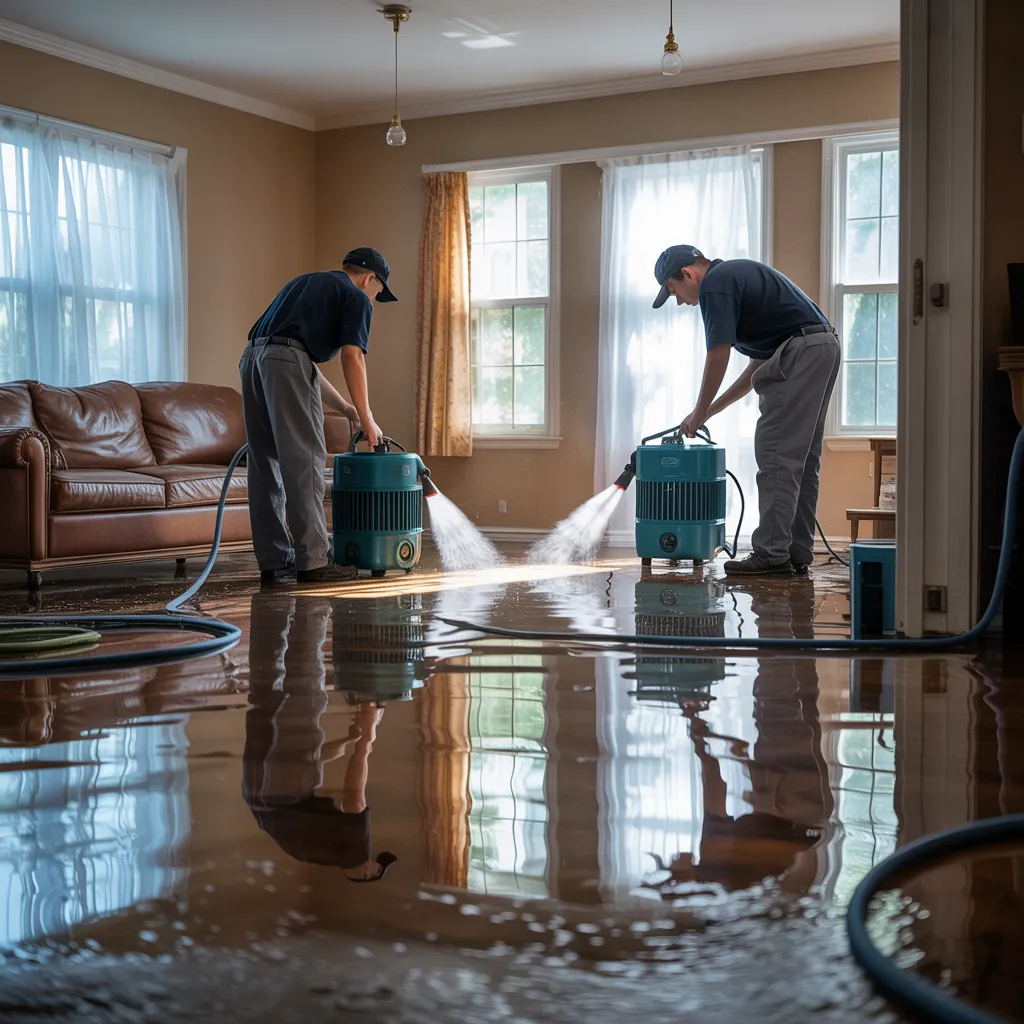
Water damage can originate from a variety of sources, making it crucial to understand the typical causes that contribute to such concerns. One frequent source is plumbing problems, including burst pipes or malfunctioning appliances, which can discharge large quantities of water. Storm-related occurrences, such as severe rainfall or flooding, are also responsible for water damage, particularly in areas prone to severe storms. Additionally, roof leaks can occur due to wear and tear, allowing water to seep into the structure. Inadequate drainage systems and blocked gutters can compound these concerns by funneling water to the foundation. An often neglected factor is humidity and condensation, which can cause mold proliferation and structural harm over time. Recognizing these typical causes can assist property owners take preventive measures, safeguarding their homes from the potentially devastating effects of water damage.
Identifying Signs of Water Damage Early
Recognizing the initial symptoms of water damage is essential for successful prevention. Homeowners should keep watch for particular signs that water infiltration may be occurring. Discoloration on walls or ceilings, typically presenting as brown or yellow stains, can signal roof or plumbing leaks. Additionally, wallpaper or paint that is peeling may point to long-term dampness. An unpleasant musty smell commonly indicates water damage, pointing to mold development. Residents should additionally check for distorted or uneven flooring, which may be caused by absorbed moisture. An additional warning sign is the presence of condensation on windows or walls, indicating excess humidity levels. Early identification of these symptoms facilitates prompt action, lowering the likelihood of costly repairs and extensive damage. Consistent upkeep and regular checks can further aid in recognizing these signs, encouraging a preventative mindset toward property protection and maintenance.
Steps to Take Immediately After Water Damage
Upon encountering water damage, it is critical to take immediate actions to minimize subsequent damage. To begin, halting the source of water is necessary to stop additional water accumulation. Subsequently, evaluating the damage and documenting everything thoroughly will facilitate the recovery process while supporting potential insurance claims.
Cut Off The Water Source
Identifying and stopping the origin of water infiltration is critical for reducing damage and avoiding additional problems. Swift steps must be pursued to limit the consequences for the property. This often involves locating the primary source, whether the culprit is a ruptured pipe, a compromised roof, or an overflowing fixture. Homeowners should turn off the water supply at the main valve to halt the flow, consequently limiting further water collection. In certain situations, reaching out to a licensed plumber may be required to resolve the problem efficiently. When the source is addressed, a smoother and more organized recovery can take place. Quickly halting the water source is an essential initial measure in safeguarding the property from significant harm.
Assess The Damage
When the source of water has been stopped, examining the damage is a necessary step. This preliminary evaluation requires pinpointing the affected areas, including walls, floors, and personal belongings. Water commonly infiltrates surfaces, leading to hidden damage that may not be immediately visible. Trained experts routinely examine for structural stability and the development of mold, which can develop rapidly in damp conditions. They frequently examine the degree of harm to wiring, electrical components, and appliances. It is essential to establish what type of water is involved—clean, gray, or black—as this affects the cleanup approach. A prompt and thorough evaluation lays the basis for efficient recovery measures, ultimately minimizing long-term impacts on the property and providing a healthier setting for occupants.
Record Everything in Detail
Thoroughly documenting all damage is vital in the wake of water damage. This thorough record-keeping serves several important functions, including supporting insurance filings and guiding restoration efforts. Homeowners should start by documenting with clear images of affected areas, capturing both wide shots and close-ups of particular damage points. Furthermore, keeping a detailed inventory of compromised possessions, with full descriptions and value estimates, can be extremely beneficial. It is equally important to note the date and time of the incident, along with any immediate actions taken, such as calling in qualified specialists. This documentation not only supports insurance processes but also aids in evaluating the extent of damage for later review. By preserving comprehensive records, homeowners can ensure a more efficient restoration process.
How Professional Services Can Help With Water Damage
Experts are instrumental in addressing the damage caused by water damage, using targeted approaches to efficiently rehabilitate impacted spaces. They initiate the process by analyzing the degree of harm caused, utilizing advanced tools to identify hidden moisture and potential hazards. This detailed evaluation permits an individualized strategy to each situation.
When the evaluation process concludes, experts apply precise moisture extraction procedures to eliminate unwanted moisture from carpets, walls, and other surfaces. Professionals also utilize commercial-grade air movers and dehumidifiers to encourage swift moisture evaporation, inhibiting mold formation and further structural decay.
Furthermore, experts can detect and resolve possible water intrusion sources, providing recommendations for repair or prevention. Their knowledge of construction materials and recovery methods guarantees that clients obtain optimal results. By trusting trained experts, property owners can gain time, lower stress levels, and secure their properties effectively.
Essential Steps in Water Damage Restoration
Water damage remediation encompasses a set of structured processes intended to restore impacted spaces to their original state. At the outset, trained experts evaluate the scope of the damage and locate the moisture source. After this assessment, the affected space is contained to guard against additional problems, including mold development. This is followed by the water extraction stage, where professional-grade equipment swiftly clears pooled water from the area.
After extraction, the drying process begins, employing industrial fans and dehumidifiers to confirm all moisture is removed. After the area is fully dried, professionals proceed with cleansing and disinfecting surfaces to eliminate potential contaminants. Fixing and restoring compromised materials, such as drywall or flooring, is the concluding step, ensuring structural stability and aesthetic quality. Throughout the process, documentation is maintained for insurance claims, offering a comprehensive record of the restoration efforts. This systematic approach is essential for effective water damage restoration and protecting the property from future problems.
Essential Techniques for Water Damage Prevention
Preventing water damage is vital for both homeowners and property managers, as even slight moisture intrusion can lead to serious problems over time. A key approach involves regular inspection of gutters, downspouts, and roofs to confirm they are clean and operating as intended. This keeps water from collecting and infiltrating the building. Furthermore, filling cracks in the walls and foundation can thwart undesired moisture infiltration.
Installing sump pumps in basements and confirming proper drainage around the property can help reduce potential risks. Property owners should regularly observe indoor humidity levels, utilizing dehumidifiers when necessary to maintain ideal conditions. Regular maintenance of plumbing systems, including checking for leaks, is critical for early detection. Furthermore, training residents on water safety measures and emergency responses can equip them to react promptly when crises arise, decreasing the likelihood of extensive damage. Combined, these forward-thinking actions support sustained water damage prevention over time.
Navigating Insurance for Water Damage Claims
While navigating through the challenges of insurance policies for water damage claims, homeowners often encounter a range of insurance policies and coverage plans. Basic homeowners insurance is likely to cover certain types of water damage, such as losses caused by unexpected leaks or burst pipes. That said, losses caused by flooding generally necessitates a dedicated flood insurance policy, which is critical for properties in flood-prone areas.
Property owners should carefully review their insurance documents to understand limitations and exclusions. For instance, progressive damage, such as long-term leaks, is generally not included in coverage. Moreover, numerous insurance companies require prompt reporting of claims; postponements may lead to diminished settlements or rejection of claims.
To navigate the claims process effectively, homeowners are encouraged to document the damage thoroughly, including photographs and written accounts. Working with an qualified adjuster can also be beneficial in achieving a reasonable settlement. Ultimately, being aware of these factors can greatly impact the recovery process following water damage events.
Commonly Asked Questions
How Long Does Water Damage Restoration Typically Take?
Water damage restoration generally requires between a few days and several weeks, influenced by the scale read about this of the damage, the areas involved, and the effectiveness of the restoration team overseeing the work.
Is It Possible to Handle Water Damage Repairs on My Own?
Handling water damage repairs independently is possible, but often risky. Experts have the specialized tools and knowledge to ensure complete restoration, reducing the likelihood of future issues. Evaluating personal capability versus hiring experts is essential for effective damage management.
Which Types of Insurance Provide Coverage for Water Damage?
Homeowners insurance commonly covers water damage caused by unexpected events, while flood insurance specifically addresses damage resulting from flooding waters. Policy details can vary, so policyholders should carefully review their coverage to guarantee adequate protection against possible water damage risks.
Is There a Difference Between Water Damage Services?
No two water damage services are identical. They vary in expertise, techniques, and equipment used. Some focus on particular types of damage, while others provide comprehensive solutions, affecting overall effectiveness and customer satisfaction.
How Can I Find a Reliable Water Damage Service?
To locate a dependable water damage company, individuals should investigate nearby service providers, examine customer testimonials, check certifications, and ask for referrals. Assessing estimates and reviewing reaction times can further assist in reaching a well-informed decision.